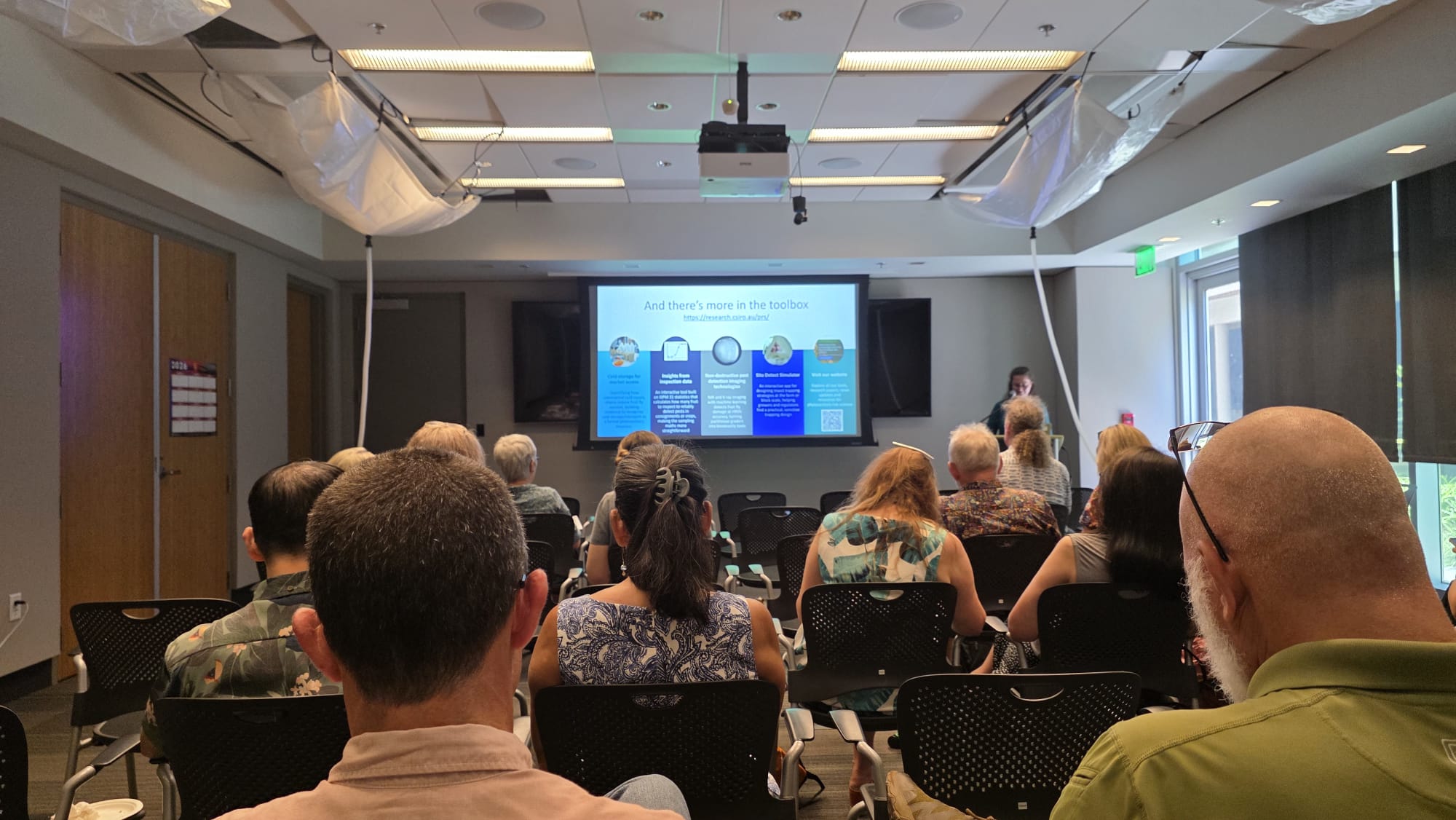
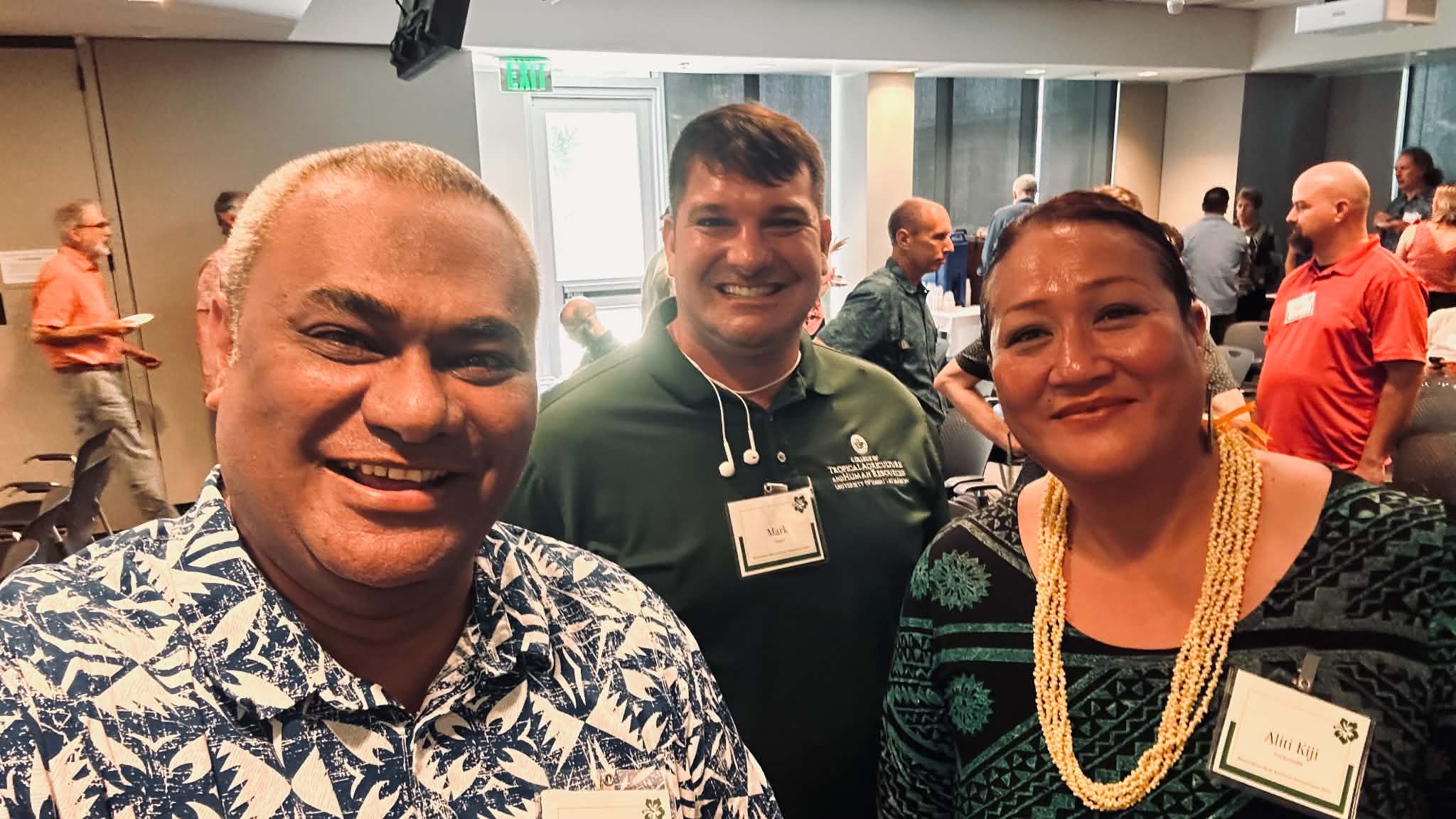
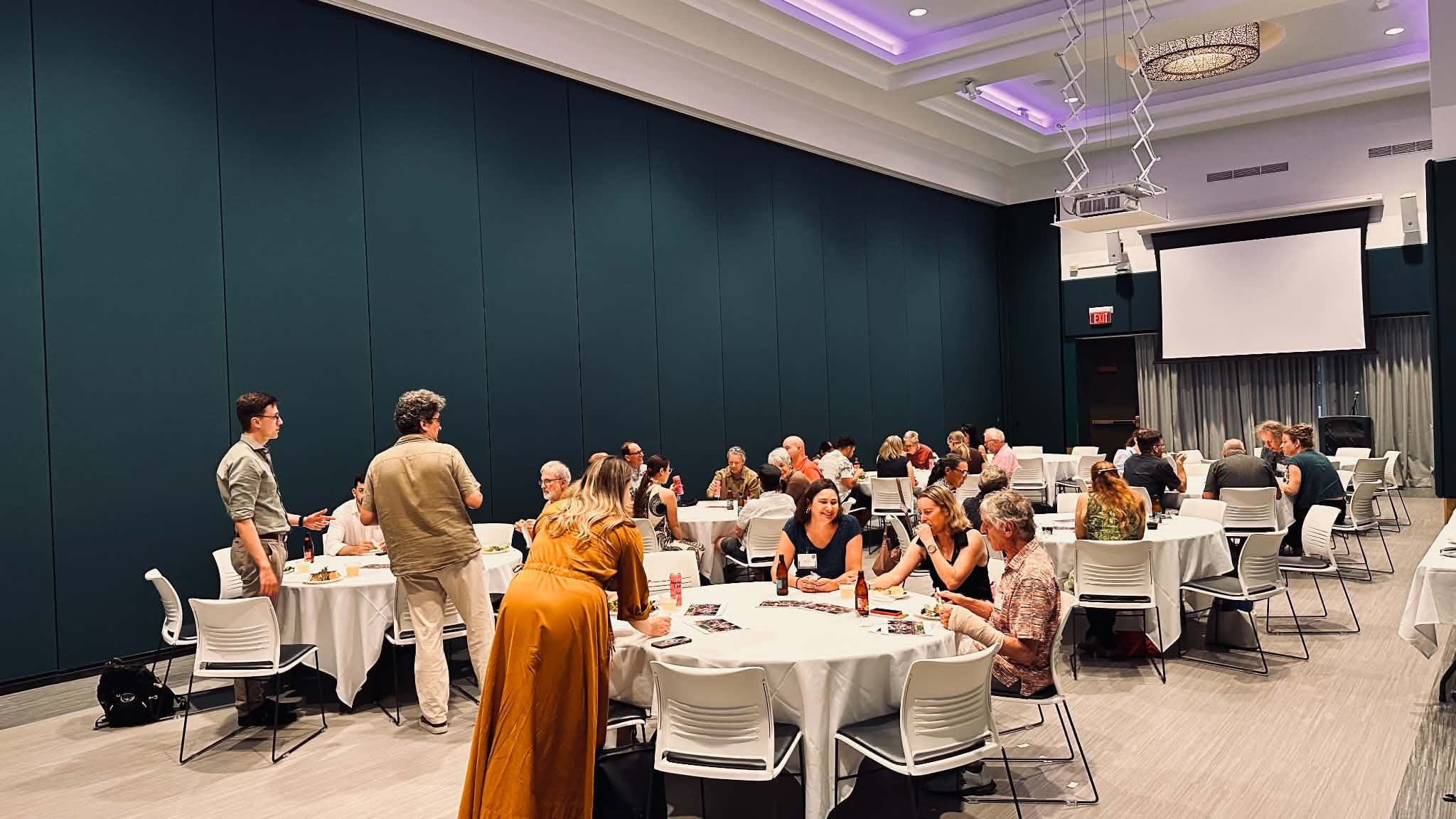
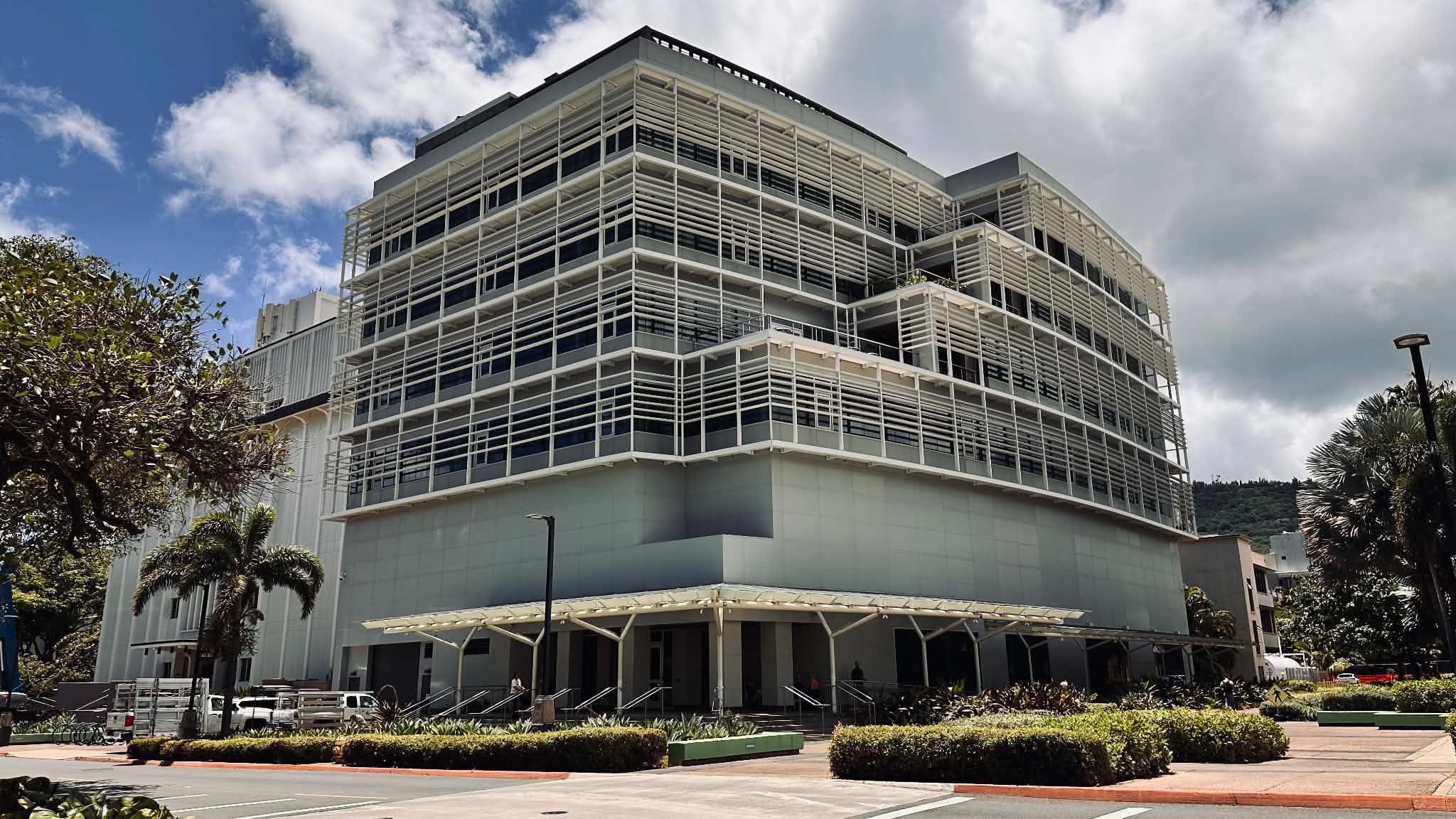
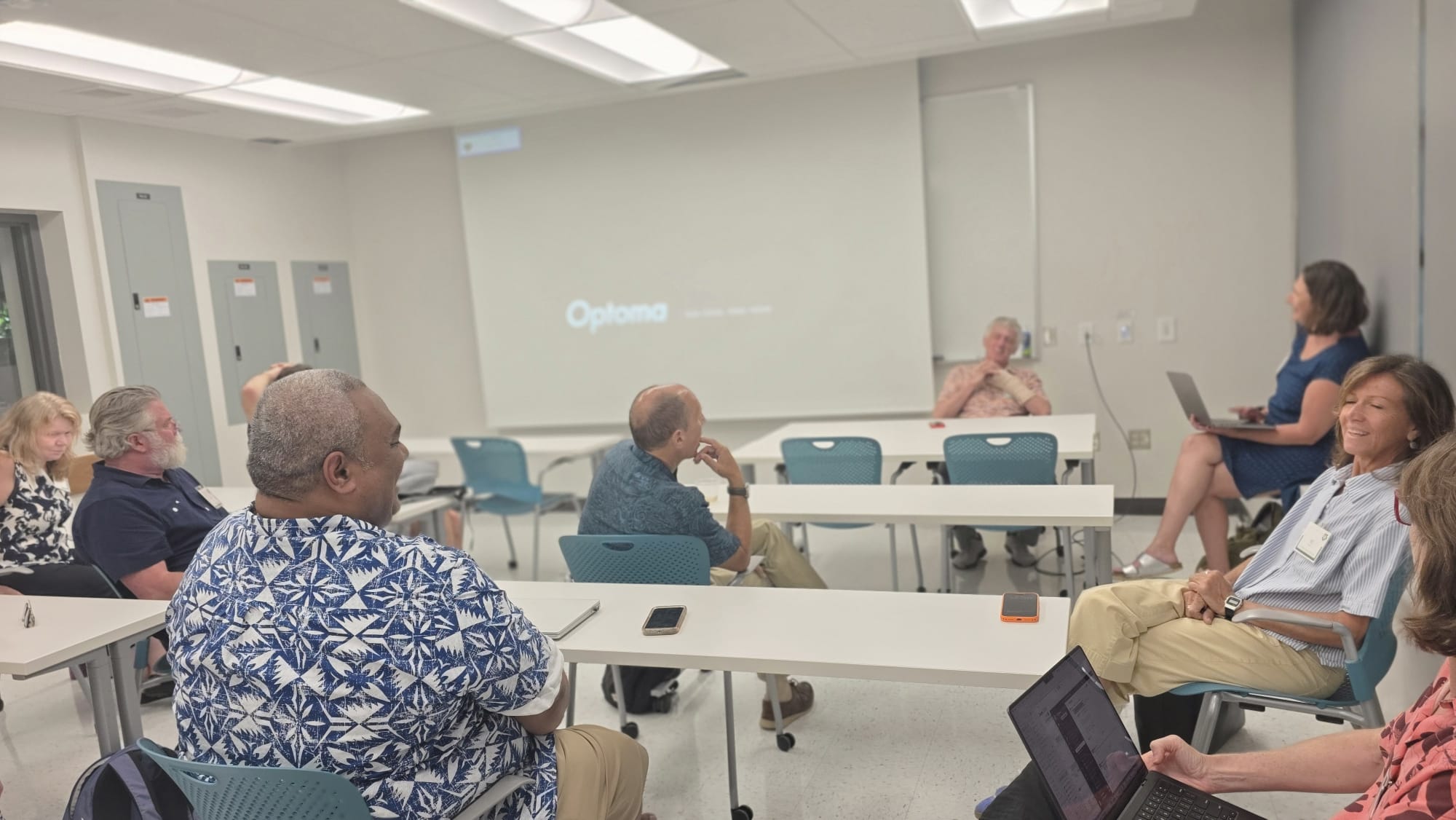
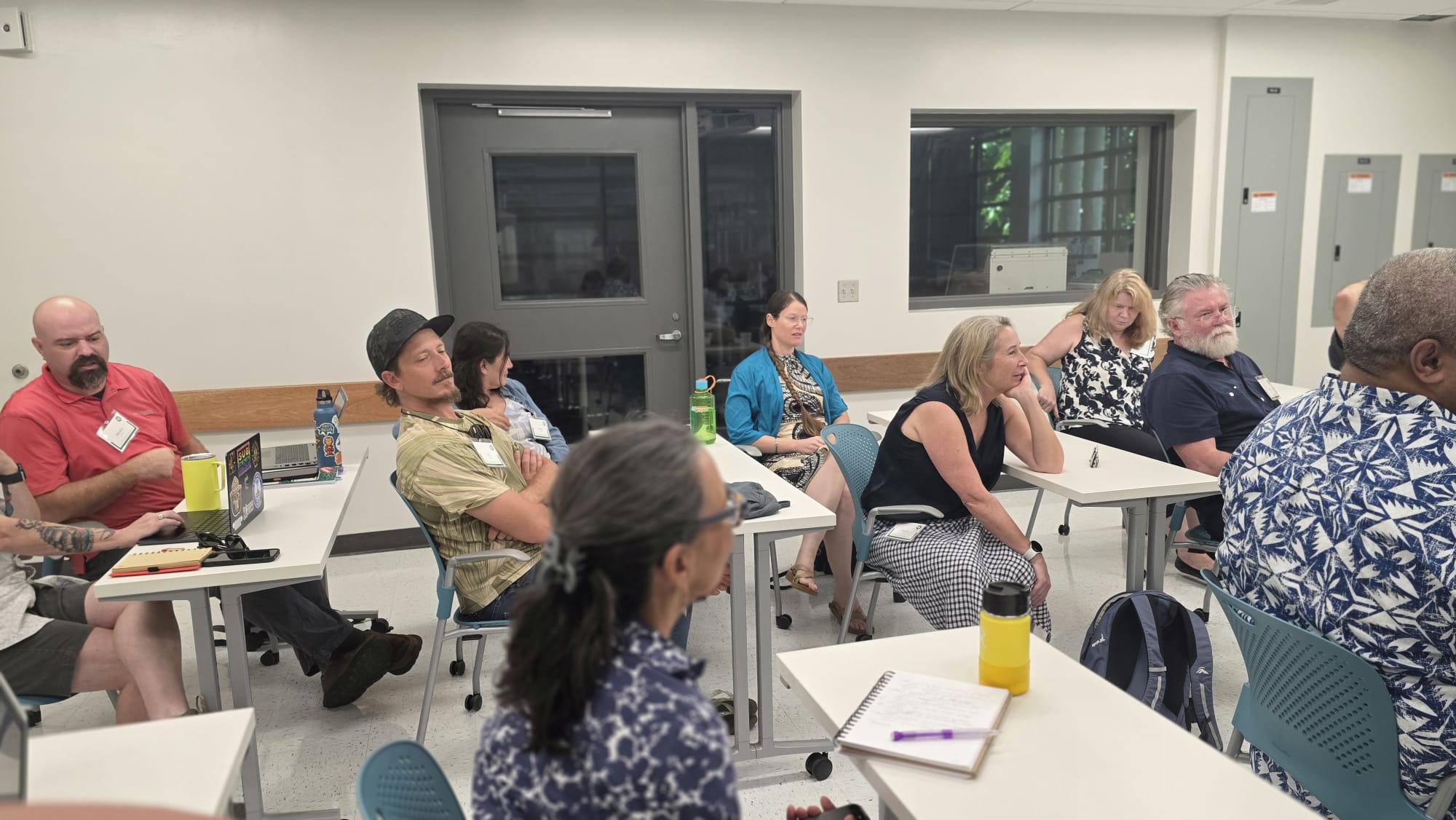
FELA Executive Director, Kiji Vukikomoala, recently participated in a biosecurity symposium hosted by the University of Hawai‘i at Mānoa in Honolulu. The symposium brought together specialists from different disciplines to examine how transparent, rational and participatory decision-making can strengthen biosecurity systems.
Ms. Vukikomoala spoke during a plenary session on the importance of effective biosecurity decision-making from a Fiji and wider Pacific perspective. Drawing on FELA’s environmental law and governance work, she highlighted the vulnerability of the Pacific Island countries to invasive species, pests and diseases, and the potentially serious consequences for food security, livelihoods, trade, tourism and native biodiversity.
Her presentation drew attention to Fiji’s experience with threats such as the Asian subterranean termite, fall armyworm, taro beetle and livestock diseases. These examples demonstrate that the true costs of biosecurity incursions extend beyond the immediate loss of crops or livestock. They can also lead to declining production, increased dependence on imports, loss of investor and public confidence, and long-term damage to ecosystems and endemic species. The presentation emphasised that good biosecurity decisions should be informed by sound risk analysis, scientific evidence and local knowledge. They should also be transparent and provide meaningful opportunities for government agencies, affected industries, communities and other stakeholders to participate.
Ms Vukikomoala also shared insights from FELA’s previous work with the Biosecurity Authority of Fiji and other stakeholders in reviewing Fiji’s legislative and institutional arrangements relating to invasive alien species. This work identified the importance of coordination among border agencies, environmental authorities, industry participants and communities, as biosecurity threats do not fall neatly within the responsibilities of a single institution.
Participation in the symposium provided an important opportunity for FELA to contribute a Pacific legal and governance perspective to international biosecurity discussions, while learning from the experiences of Hawai‘i and other island jurisdictions. It also reinforced the need for continued regional cooperation, investment in prevention and surveillance, and stronger legal and institutional frameworks to protect Pacific communities, economies and ecosystems.